Top 7 Pallet Strapping Tools for Efficient Packaging Solutions?
In the world of packaging, efficiency is key. Choosing the right Pallet Strapping Tool can significantly enhance productivity. According to a report by Packaging Strategies, proper strapping reduces product damage by 20% during shipping. This highlights the importance of selecting appropriate tools.
Many businesses overlook the impact of strapping tools. They often assume all tools provide similar results. Yet, advanced options can improve sealing strength and speed. A study from Packaging World noted that automated strapping equipment can speed up operations by 30%. This substantial improvement showcases the necessity of investing in high-quality tools.
Not all pallet strapping tools are created equal. The market offers a range of options, from manual to automatic devices. Each type comes with its advantages and disadvantages. Understanding these differences is crucial. Choosing a tool based solely on cost can lead to regrets later. A reliable tool is an asset that pays off over time.
Overview of Pallet Strapping Tools in Packaging
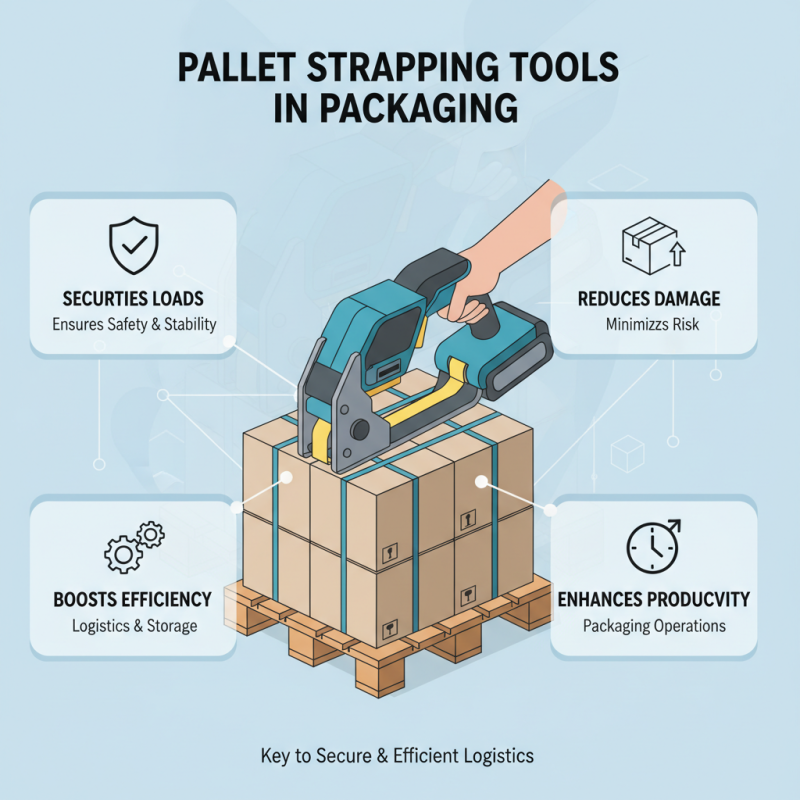
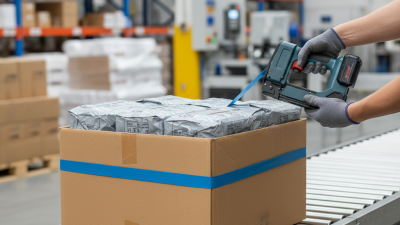
Pallet strapping tools play a crucial role in packaging. They secure loads during transport, ensuring safety and stability. Properly strapped pallets reduce the risk of damage. This increases efficiency in logistics and storage. The right tools also enhance productivity in packaging operations.
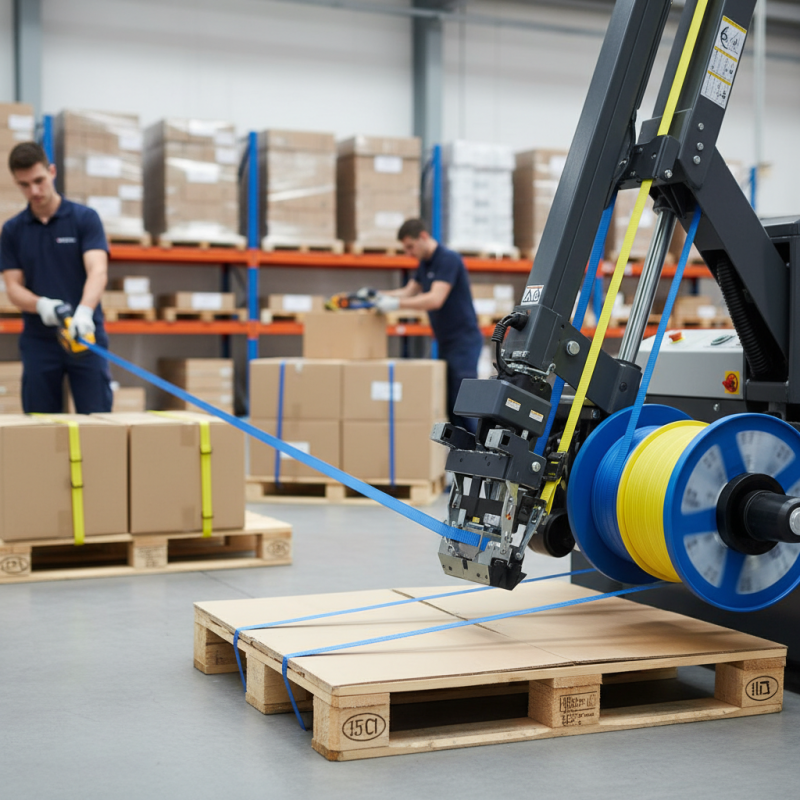
Several types of strapping tools are common in the industry. Manual tools are simple yet effective for small-scale operations. Power strapping machines are better for high-volume packing. Both offer unique benefits. However, choosing the right tool can be challenging. Users often underestimate the importance of tool selection, which can lead to frustrations.
Understanding the features of these tools is essential. Tensioning, sealing, and cutting should meet specific requirements. Strapping thickness and material affect overall strength. Many users find it difficult to adapt to new technologies. Experimentation often reveals better solutions. Consider ergonomics as well. A tool that feels comfortable reduces user fatigue and improves outcomes.
Key Features to Consider When Choosing Strapping Tools
When selecting pallet strapping tools, several key features deserve careful consideration. First, the tool's tensioning capability is crucial. A tool that offers adjustable tension ensures that your straps are neither too tight nor too loose. This balance prevents damage to the packaged goods while maintaining security during transportation.
Durability matters just as much as functionality. Look for materials that resist wear and tear, especially if the tool will see frequent use. Strapping tools should withstand varying environmental conditions. Portability enhances their usability. A lightweight design that allows for easy handling can significantly improve productivity in a busy packaging environment.
The size of the strapping material also influences your choice. Different tools accommodate various strap widths and thicknesses. A mismatch can lead to inefficiency and wasted materials. It’s often overlooked, but user-friendly designs can drastically reduce learning curves. The aim should be to find tools that employees can operate confidently, minimizing the need for extensive training.
Top 7 Pallet Strapping Tools for Efficient Packaging
Pallet strapping tools play a crucial role in packaging efficiency. These tools ensure that products remain secure during transport and storage. According to a report by the Packaging Machinery Manufacturers Institute, effective strapping can reduce product damage by up to 30%. Choosing the right tool can significantly impact your packaging workflow.
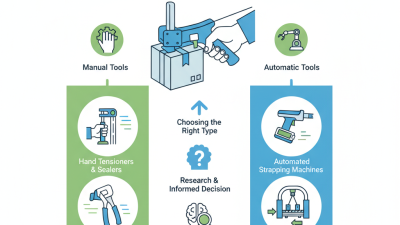
There are various types of pallet strapping tools available. Manual tools, for instance, are cost-effective but require more labor. Automated strapping systems, however, boost efficiency and reduce labor costs. A study from the International Journal of Packaging Technology found that automation can increase strapping speed by four times compared to manual processes. This shift not only improves productivity but also enhances worker safety by minimizing repetitive strain injuries.
When selecting a strapping tool, consider the material used. Polypropylene and polyester are common choices, each with unique benefits. Polypropylene is lightweight and flexible, ideal for lighter loads. Polyester, on the other hand, offers higher strength and is suitable for heavier items. An estimated 40% of businesses report challenges with strapping tools, citing issues like compatibility and durability. Thus, thorough research is essential for making informed decisions that maximize packaging efficiency.
Comparison of Manual vs. Automatic Strapping Tools
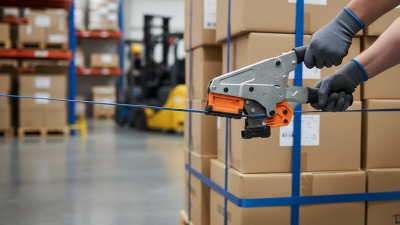
When businesses need to secure packages effectively, choosing between manual and automatic strapping tools can be crucial. Manual tools are often more affordable and easier to use for smaller operations. They provide operators with direct control. However, they can be labor-intensive and may lead to inconsistent tension if not handled properly.
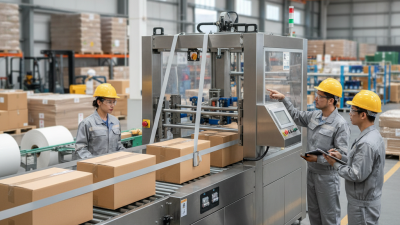
On the other hand, automatic strapping tools offer efficiency and speed. These machines significantly reduce the time spent on strapping. They are designed to apply uniform tension, ensuring that packages are secured consistently. However, the initial investment can be high. Maintenance also requires expertise, which may not be readily available in every organization.
Tips: Evaluate your workload and choose a tool that matches your production speed. For low-volume tasks, manual tools can be cost-effective. For high-volume needs, automatic systems can save time and reduce labor costs. Observing your current process can reveal areas to improve. Making adjustments can lead to a more streamlined workflow. Consider training staff on best practices for both types of tools to enhance efficiency and safety in your packaging operations.