How to Use a Plastic Strap Sealer Effectively for Packaging?
In the world of packaging, efficiency and reliability play crucial roles. Industry expert John Miller states, "A good Plastic Strap Sealer can make or break the packaging process." This technology is essential for securing products during transport. It offers strength and stability to packaged items.
Using a Plastic Strap Sealer effectively requires understanding its features and applications. Many companies overlook the importance of proper sealing techniques. This can lead to damages or losses during shipping. Choosing the right strap and tension settings can significantly impact package integrity.
Practicing with a Plastic Strap Sealer can improve precision and reduce errors. Users often underestimate the need for regular maintenance. Neglecting these aspects may lead to poor performance. Reflecting on mistakes helps create a more effective packaging strategy. Emphasizing these factors can transform your packaging process.
Understanding the Basics of Plastic Strap Sealers for Packaging
Understanding plastic strap sealers is essential for effective packaging. These tools are designed to create strong, secure seals that hold packages together during transport. The sealer typically uses various types of plastic strapping, which can include polypropylene or polyester. Knowing the right type of strap for the job can make a significant difference in package integrity.
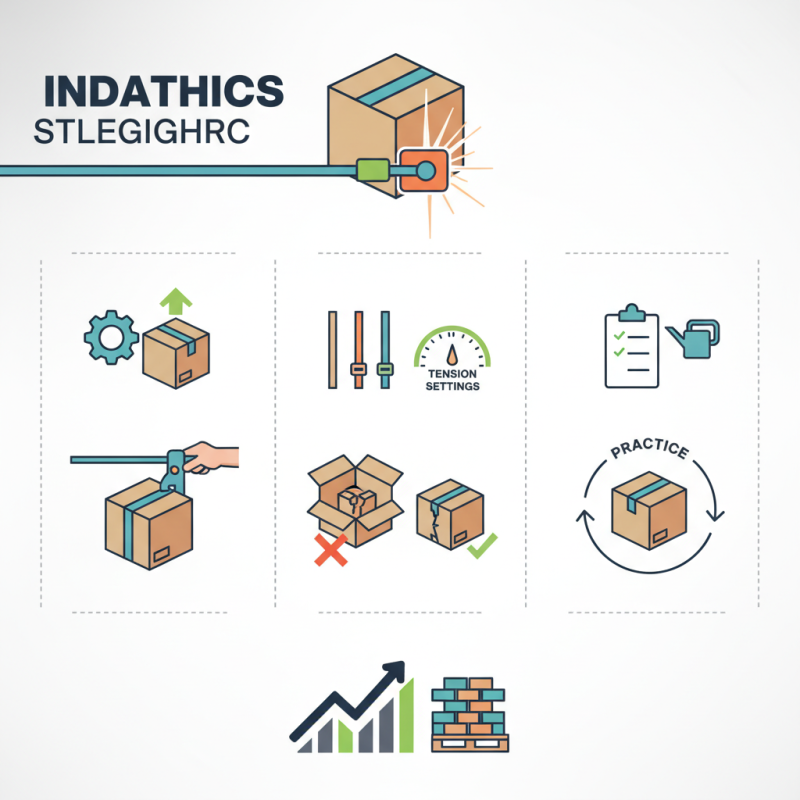
When using a plastic strap sealer, proper technique is critical. Begin by ensuring that the strap is properly threaded through the buckle and around the package. The tension applied should be firm but not excessive. Over-tightening can cause the strap to snap or damage the package. It's a skill that requires practice. Misalignment during the sealing process can lead to weak seals. In my experience, taking the time to adjust the alignment can save many potential mishaps later.
Another important aspect is maintenance. Sealers need regular checks to ensure they function correctly. Wear and tear can reduce their effectiveness. This oversight can lead to frustrating situations where packages are not sealed as expected. Testing the machine periodically and addressing any issues promptly can ensure reliable performance. Continuous learning can help refine your sealing techniques, emphasizing that practice is vital for success in packaging tasks.
Selecting the Right Type of Plastic Strap for Your Needs
Selecting the right type of plastic strap is crucial for effective packaging. Various materials are available, with polypropylene and polyester being the most common. Polypropylene straps are lightweight and cost-effective, making them suitable for light-duty applications. However, they may not hold up under extreme conditions. On the other hand, polyester straps offer superior strength and resistance to weather, making them ideal for heavy-duty packaging. According to industry studies, over 70% of packaging failures occur due to the wrong strap selection.
When choosing a plastic strap, consider the load weight and environmental conditions. Also, assess the width and thickness to ensure optimal performance. The right strap can prevent damages during transport, ultimately saving costs. Additionally, be mindful that the strap's properties can be affected by UV exposure, temperature fluctuations, or humidity levels.
Tips: Always test a small sample before bulk ordering. Look for certifications that validate the strap's strength and durability. Consult with packaging experts if you're unsure; their experience can provide valuable insight. Properly assessing your needs will lead to better packaging quality and customer satisfaction.
Step-by-Step Guide to Properly Using a Plastic Strap Sealer
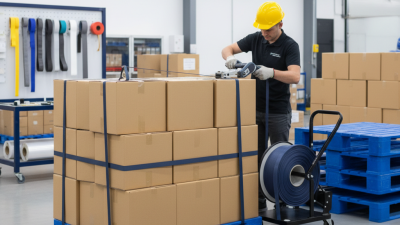
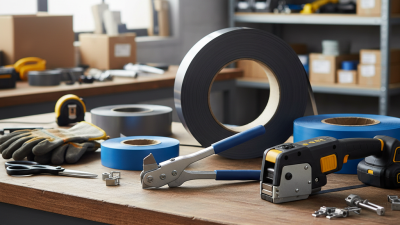
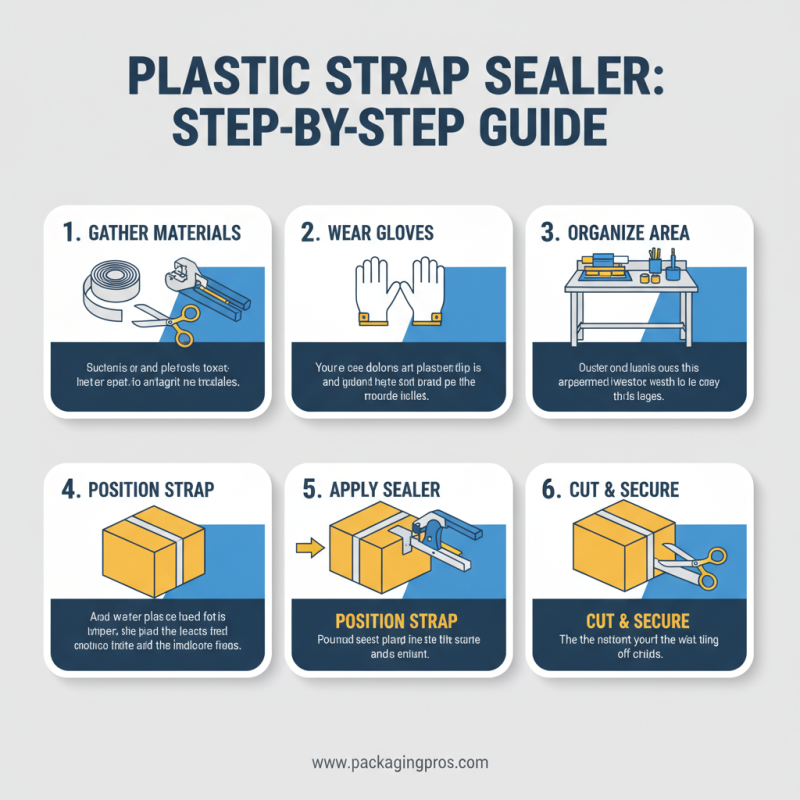
Using a plastic strap sealer effectively can greatly enhance your packaging process. Begin by gathering the necessary materials: plastic straps, the sealer, and scissors. Always wear protective gloves when handling the straps. Ensure your work area is clean and organized to avoid accidents.
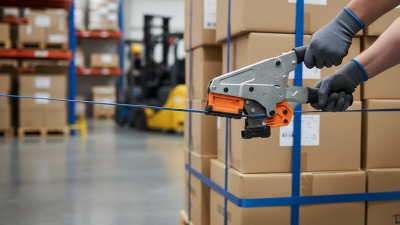
Place the items you want to package securely together. Position the plastic strap around the items, leaving a few extra inches for sealing. Use the sealer’s tensioning function to tighten the strap firmly. Be cautious; over-tightening can damage the packaging. You want to find the right balance: too loose and it won't hold, too tight and it could break.
After achieving the desired tension, insert the end of the strap into the sealer. Make sure it aligns properly for a secure seal. Press firmly to activate the sealing mechanism. Watch carefully; sometimes the seal is not perfect and may require a second attempt. Reflect on your results; adjust your technique based on what you observe. This process takes practice, and learning from each sealing experience is vital for improving your skills.
Common Mistakes to Avoid When Using a Plastic Strap Sealer
When using a plastic strap sealer, it’s easy to make mistakes that can hinder your packaging efficiency.
One common issue is not adjusting the tension properly. If the strap is too loose, your package might fall apart during transit.
Conversely, if it’s too tight, you risk damaging the product inside. Regularly check the tension settings before sealing each package.
Another mistake arises from improper alignment of the strap. Not ensuring the strap is straight can lead to uneven and weak seals.
This might lead to frustration and wasted materials. Take a moment to align the strap carefully. A small adjustment can make a significant difference in the strength of your seal.
Rushing through the sealing process is also a problem. In a busy environment, it’s tempting to speed things up.
However, this often results in misalignment and inadequate sealing. Allow yourself the time to focus on each step.
Address each package with care and precision for a more reliable result.
Remember, taking a few extra seconds now can save you time and resources later.
Maintenance Tips for Longevity of Your Plastic Strap Sealer
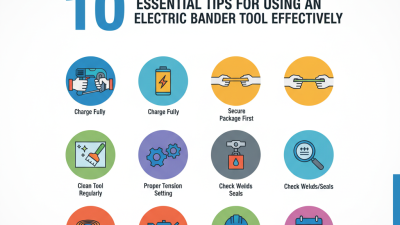
Maintaining a plastic strap sealer is crucial for its performance and longevity. Regular cleaning is essential. Dust and debris can accumulate in the machine, hindering its efficiency. Use a soft cloth to wipe down surfaces after each use. For deeper cleaning, refer to the manufacturer’s guidelines. Avoid using harsh chemicals. They can damage sensitive parts.
Inspecting the tool regularly can prevent unexpected breakdowns. Look for wear and tear on seals and joints. If any parts seem loose or damaged, address these issues immediately. Timely replacements can save you from costly repairs later. Also, lubricate moving parts as recommended. Too little lubrication can lead to increased friction and wear.
Storing your sealer properly impacts its lifespan. Always keep it in a dry place, away from moisture. Humidity can lead to rust and corrosion. Avoid stacking heavy items on top of it. This pressure can cause misalignment over time. Every so often, reassess your storage habits to ensure the integrity of your equipment. Making these small adjustments can have lasting benefits.
Packaging Efficiency with Plastic Strap Sealers