What Are the 2026 Top Strap Tightening Tool Types?
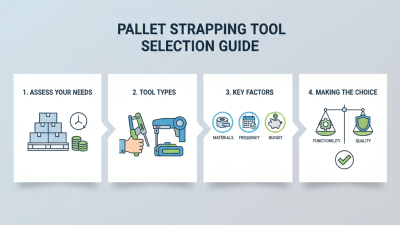
Choosing the right Strap Tightening Tool in 2026 requires more than comparing motor speed or advertised tension. Packaging teams now evaluate material type, load stability, working conditions, and operator control. A tool that performs well with polypropylene strapping may struggle with steel or woven polyester. That difference matters.
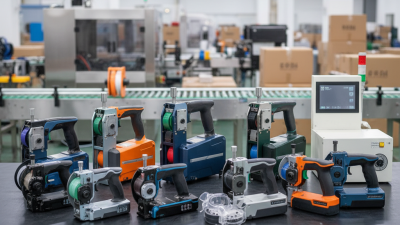
Manual ratchet tensioners remain practical for occasional jobs, repairs, and locations without reliable power. Pneumatic models suit busy production areas, where compressed air supports repeated tightening. Battery-powered tools offer greater mobility, especially around warehouses, construction sites, and outdoor loading zones. Electric automatic machines can improve consistency on high-volume lines, while integrated strapping systems reduce repetitive handling. Each type has a place. None is perfect.
In real use, the best choice depends on the package, not the brochure. A heavy pallet may need stable, measured tension rather than maximum force. Fragile cartons can deform when operators pull too aggressively. Dust, cold temperatures, uneven surfaces, and limited clearance also affect performance. Experienced users check seals, cutters, battery condition, and calibration before trusting a tool. They also test the finished strap by inspecting its contact with corners and edges.
Manufacturers are adding digital tension displays, brushless motors, improved ergonomics, and smarter maintenance alerts. These features sound impressive. However, data cannot replace sound setup or trained judgment. Some newer tools may be over-specified for small operations, creating unnecessary cost and maintenance. This guide compares the leading 2026 Strap Tightening Tool types, showing where each option works best, where it falls short, and what buyers should verify before making a reliable decision.
Strap Tightening Tools: Definition, Purpose, and Core Components
What Are the 2026 Top Strap Tightening Tool Types?
A strap tightening tool tensions a band around cartons, pallets, pipes, or bundled materials. Its purpose is simple: maintain compression and reduce load movement during handling. Core components include a tensioning wheel, gripper, cutter, guide, and joining mechanism. Some models use heat sealing, while others use metal seals or friction welding.
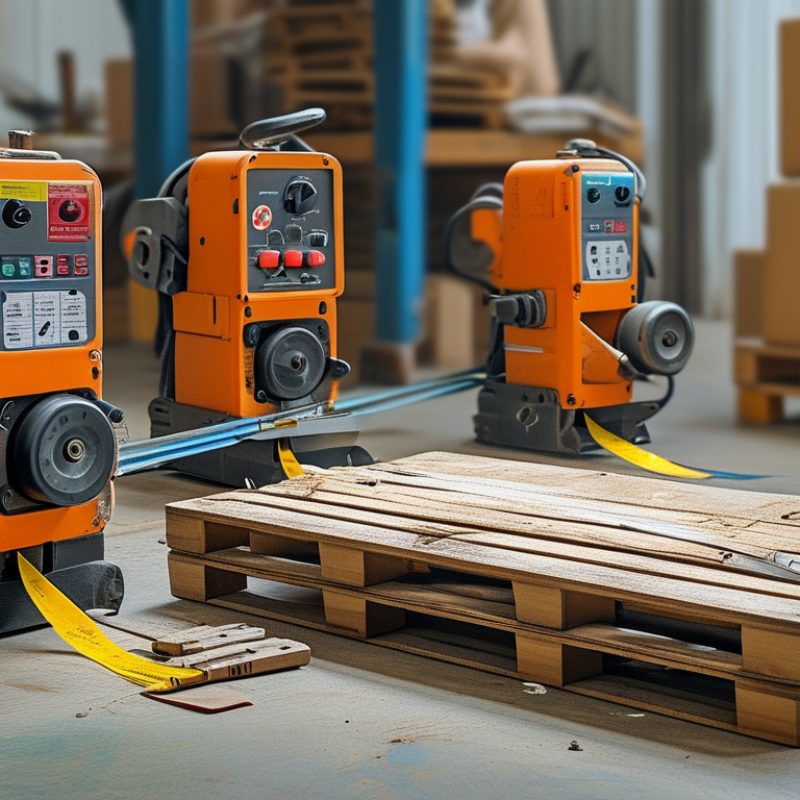
The leading 2026 types will likely include manual tensioners, pneumatic tools, battery-powered units, and automatic strapping machines. Manual tools suit low-volume work and need careful hand control. Pneumatic tools deliver steady force near fixed workstations. Battery-powered tools improve mobility, although battery weight can affect operator fatigue. Automatic machines support repetitive lines with sensors, conveyors, and programmable controls. They can be fast, but setup errors still create weak packages.
PMMI reported that U.S. packaging machinery shipments reached about $10.2 billion in 2023, showing strong demand for packaging automation. Smithers also forecasts continued growth in global packaging through 2028, driven by logistics and e-commerce. These figures support investment in reliable tensioning equipment, not blind automation. In field use, strap width, material, package shape, and required tension must match the tool. A powerful tool can crush a carton. That detail is easy to miss.
Operators should inspect worn grippers, clean tensioning wheels, and verify seal quality. A tension reading alone is insufficient. Real package stability matters.
Manual Strap Tighteners: Types, Operation, and Typical Uses
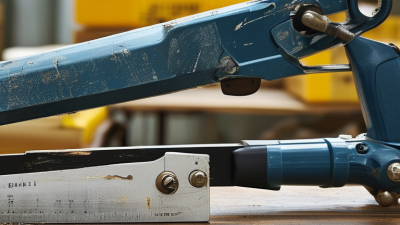
Manual strap tighteners remain practical tools for securing loads in 2026. Common types include ratchet, lever, and winch-style tensioners. Ratchet models suit general pallet work. Lever tools provide stronger tension for heavier bundles. Winch designs are useful when straps must be tightened repeatedly along long loads.
Operation is straightforward, but accuracy matters. Thread the strap through the tool, remove loose slack, and pull the handle steadily. The mechanism stores tension without requiring electric power. Lock the strap with a suitable buckle, seal, or joining method. Keep hands clear. Never twist the strap sharply, because damaged edges can reduce holding strength. Check the strap surface before tensioning. Cuts, burns, and severe stretching are warning signs.
These tools are used for pallets, timber, metal sections, agricultural materials, and furniture during storage or transport. Choose the tool according to strap width, material, load shape, and required tension. A narrow plastic strap may need a lighter ratchet tool, while steel strap demands a compatible heavy-duty design. Do not assume maximum tension is always safer. Excessive force can crush cartons or deform fragile products. In practice, operators sometimes focus on tightness and overlook load movement. That is an imperfect habit worth correcting. A final hand check, strap alignment check, and edge-protector inspection can reveal problems before handling begins.
Pneumatic and Electric Strap Tensioners: Features and Applications
What Are the 2026 Top Strap Tightening Tool Types?
Pneumatic and electric strap tensioners will remain leading choices in 2026. Pneumatic models use compressed air to deliver consistent tension during repetitive palletizing. They suit high-volume lines, heavy loads, and dusty production areas. Operators can feel the tool pull the strap tight around a square carton. However, they require hoses, air treatment, and regular pressure checks. Poor air supply can create uneven results.
Electric strap tensioners offer cleaner installation and easier digital control. Battery-powered versions support mobile packing stations, export areas, and warehouses without fixed air systems. Many models allow preset tension, automatic sealing, and simple error alerts. Electric tools also connect more easily with sensors and production data systems. Their limits include battery charging, motor heat, and higher sensitivity to impact damage. Small details matter.
A 2024 PMMI State of the Industry report valued U.S. packaging machinery shipments at about 10.2 billion dollars in 2023. The figure reflects continuing investment in automation and labor-saving equipment. A 2024 Smithers packaging forecast also identifies e-commerce and operational efficiency as major packaging demand drivers. These trends favor electric tools in flexible workspaces and pneumatic tools on stable, continuous lines. In practice, the best choice depends on strap material, package weight, duty cycle, and maintenance skills. No tool wins everywhere. My own assessment remains cautious, because real floor conditions often differ from supplier test data.
What Are the 2026 Top Strap Tightening Tool Types?
Pneumatic and Electric Strap Tensioners: Features and Applications
Pneumatic tensioners are generally preferred for continuous production, heavy-duty steel strapping, and demanding industrial environments. Electric tensioners provide greater mobility, easier installation, lower operating noise, and strong suitability for PET and polypropylene strapping. Scores use a practical 1–5 suitability scale based on common operating characteristics rather than company or brand performance data.
Battery-Powered and Automated Strap Tightening Systems
What Are the 2026 Top Strap Tightening Tool Types?
Battery-powered strap tightening tools are becoming standard in warehouses, distribution centers, and outdoor loading areas. They combine tensioning, sealing, and cutting in one handheld unit. Operators can secure plastic or steel straps without dragging air hoses across the floor. A charged battery often supports several hundred cycles, depending on strap width, material, tension level, and operator technique.
Consistency matters more than raw speed. A quality tool should provide adjustable tension, controlled heat sealing, and a clear low-battery warning. In practical use, the operator should hold the tool squarely against the package and check the strap edge before release. Small alignment errors can create weak seals. It happens.
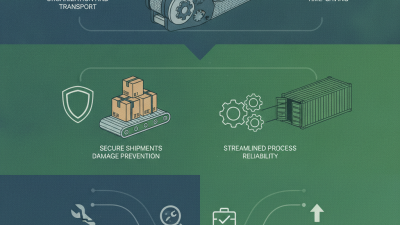
Automated strap tightening systems serve high-volume lines with fewer manual steps. Sensors detect package position, feed the strap, apply measured tension, and complete the seal. Programmable controls help maintain repeatable results across cartons, pallets, and irregular loads. These systems also record cycle data, which supports maintenance and process checks. However, automation needs careful setup. Dust, uneven packages, worn guides, or incorrect strap dimensions can reduce performance. A technician should inspect tension arms, heating elements, blades, and emergency stops regularly. Battery tools offer flexibility, while automated equipment delivers greater throughput and repeatability. The right choice depends on load variation, floor space, labor availability, and required production speed.
How to Compare Strap Tightening Tools for Different Materials and Loads
What Are the 2026 Top Strap Tightening Tool Types?
When comparing strap tightening tools, match the tool to the strap material first. Polypropylene straps suit lightweight manual ratchet tensioners. Polyester straps need stronger tension control for heavier cartons, timber, and bundled pipes. Steel straps require robust tensioners and sealers because their edges can cut hands or damage surfaces. A tool may fit the strap width but still deliver unsuitable tension.
Load requirements matter just as much. Check the strap’s working tension, breaking strength, and the package’s shape. Battery-powered tensioners provide consistent results across repeated jobs. Pneumatic tools work well on busy production lines with stable air pressure. Manual tools remain practical for occasional work and remote areas. They are slower, but easier to inspect and maintain. A small mistake matters.
In real work, I would compare grip comfort, tension adjustment, sealing quality, and tool weight. Test the tool on the actual material, not only on a sample roll. Watch for crushed corners, loose loops, and strap slipping after vibration. Edge protectors can reduce damage on sharp loads. Calibration records also improve reliability, especially when several workers share one tool. However, perfect tension is not always realistic. Cold weather, dusty surfaces, and uneven packages can change performance. That judgment deserves review.